
The Hidden Cost of FMCG Sits Between the Factory Gate and the Shelf
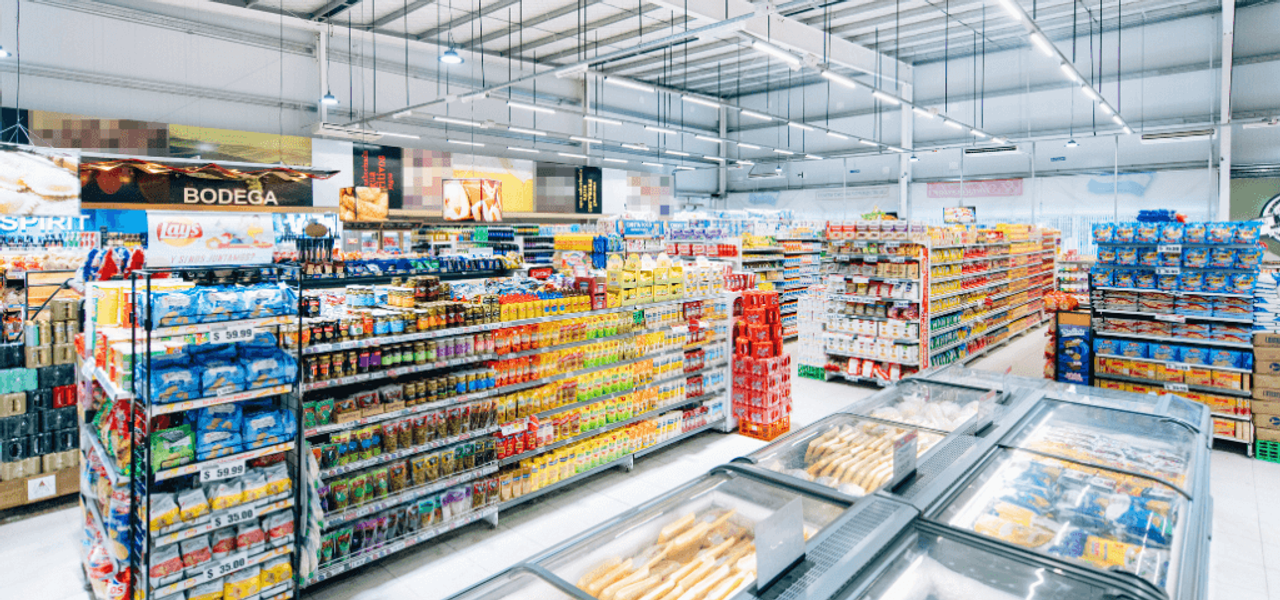
Why order-to-delivery discipline, not just distribution reach, decides who protects margin as FMCG scales.
FMCG growth is often discussed from the top line.
How many outlets are we in?
How fast is the category growing?
How much share have we gained?
Which channel should we push next?
But there is a layer beneath all of this that receives far less attention.
The operations behind the sale.
Because every additional outlet, SKU and channel adds complexity to the process that moves a product from production to the shelf.
And that complexity quietly consumes margin.
Growth Adds Complexity Faster Than It Adds Control
A growing FMCG business expands on several fronts at once.
More SKUs.
More distributors.
More channels, from general trade to modern trade to quick commerce.
More promotions.
More regions.
Each addition is a commercial win.
Each also multiplies the number of orders, deliveries, returns, claims and reconciliations behind it.
The problem is not growth. The problem is that processes designed for a smaller business are still carrying a larger one.
The Order Is Bigger Than One Function
Consider a single distributor order.
Sales captures the order.
Supply planning checks inventory.
The warehouse picks and dispatches.
Logistics delivers.
The distributor receives, sometimes with shortages or damage.
Finance raises the invoice and later reconciles claims.
From the customer’s view, this is one order.
From the company’s view, it is six functions working from six slightly different versions of the truth.
That is where fill rates fall, returns rise and working capital gets stuck.
Operations in FMCG is not just a logistics problem.
It is a process integration problem.
1. Order-to-Delivery: Where Fill Rate Is Won or Lost
Fill rate, order cycle time and on-time delivery are shaped long before a truck leaves the warehouse.
Common causes of failure include:
- Orders captured late or incorrectly
- Forecasts disconnected from actual secondary sales
- Manual hand-offs between sales and supply planning
- Inconsistent dispatch rules across warehouses
- Poor visibility of stock in transit
Each looks small. Together they decide whether the shelf is full.
A missed order is a lost sale that no promotion can recover.
2. Inventory and Working Capital: The Cash Behind the Stock
Excess stock and stock-outs often appear in the same business at the same time.
The cause is rarely volume.
It is usually poor alignment between demand signals, planning rules and replenishment processes.
Slow-moving SKUs lock up cash. Fast-moving SKUs run short. Expiry write-offs quietly erode margin.
3. Claims, Returns and Reconciliation: The Leak Nobody Owns
Trade claims, damages and returns are often handled across several teams with different records.
The result: disputes, delays, write-offs and a growing gap between what was sold and what was collected.
A clear claims process, with defined owners and turnaround times, can recover margin without selling a single extra unit.
4. Cost-to-Serve: Not Every Outlet Earns Its Place
As distribution widens, serving small or remote outlets can cost more than they return.
Many FMCG companies measure revenue by channel but not cost-to-serve by channel.
Without this view, expansion decisions are made on reach rather than profitability.
From Distribution Reach to Operational Control
What does it mean for an FMCG business to be ready for its next stage of growth?
It is tempting to define readiness by reach: “We are present in more outlets.”
A more useful framework:
Process
Is order-to-delivery mapped, consistent and owned end to end?
Planning
Do demand signals actually drive supply decisions?
Visibility
Can teams see stock, orders and delays in near real time?
Economics
Do we know cost-to-serve by channel, region and customer?
Governance
Are claims, returns and exceptions handled under clear rules?
The Business Implication
Organizations that build this discipline can gain advantages across multiple areas.
Higher fill rates protect shelf presence and customer trust.
Leaner inventory frees working capital.
Faster claim resolution recovers margin.
Cost-to-serve visibility improves channel and distributor decisions.
Stable operations make it safer to launch new SKUs and enter new channels.
But these gains do not come from selling harder. They come from the system behind the sale.
The Next FMCG Advantage
The first phase of FMCG growth in emerging markets was about getting into more outlets.
The next phase will be about proving the business can serve those outlets profitably.
The winners may be the companies that connect:
Demand → Planning → Fulfilment → Collection → Margin
What This Means for FMCG Businesses
For FMCG companies planning their next expansion, the starting point should not always be another distribution push.
It should be a diagnostic:
Where do orders slow down or fail?
How much cash is locked in the wrong stock?
Who owns claims and returns?
Which channels are unprofitable once cost-to-serve is counted?
Which process fix would release the most margin?
At Cap7tara, we approach FMCG through the intersection of process consulting, operations consulting, market intelligence, and execution.
Because growth creates complexity.
Diagnosis determines where to look.
Design determines what to change.
Execution determines what sticks.
Follow Cap7tara
For more perspectives on FMCG operations, supply chain discipline, and the strategic forces shaping consumer markets across emerging and frontier markets.